April 7, 2026 .Net

Cloud-Based Point of Sale (POS) App Development

Cloud-Based Point of Sale POS App Development for Distributed Retail Networks

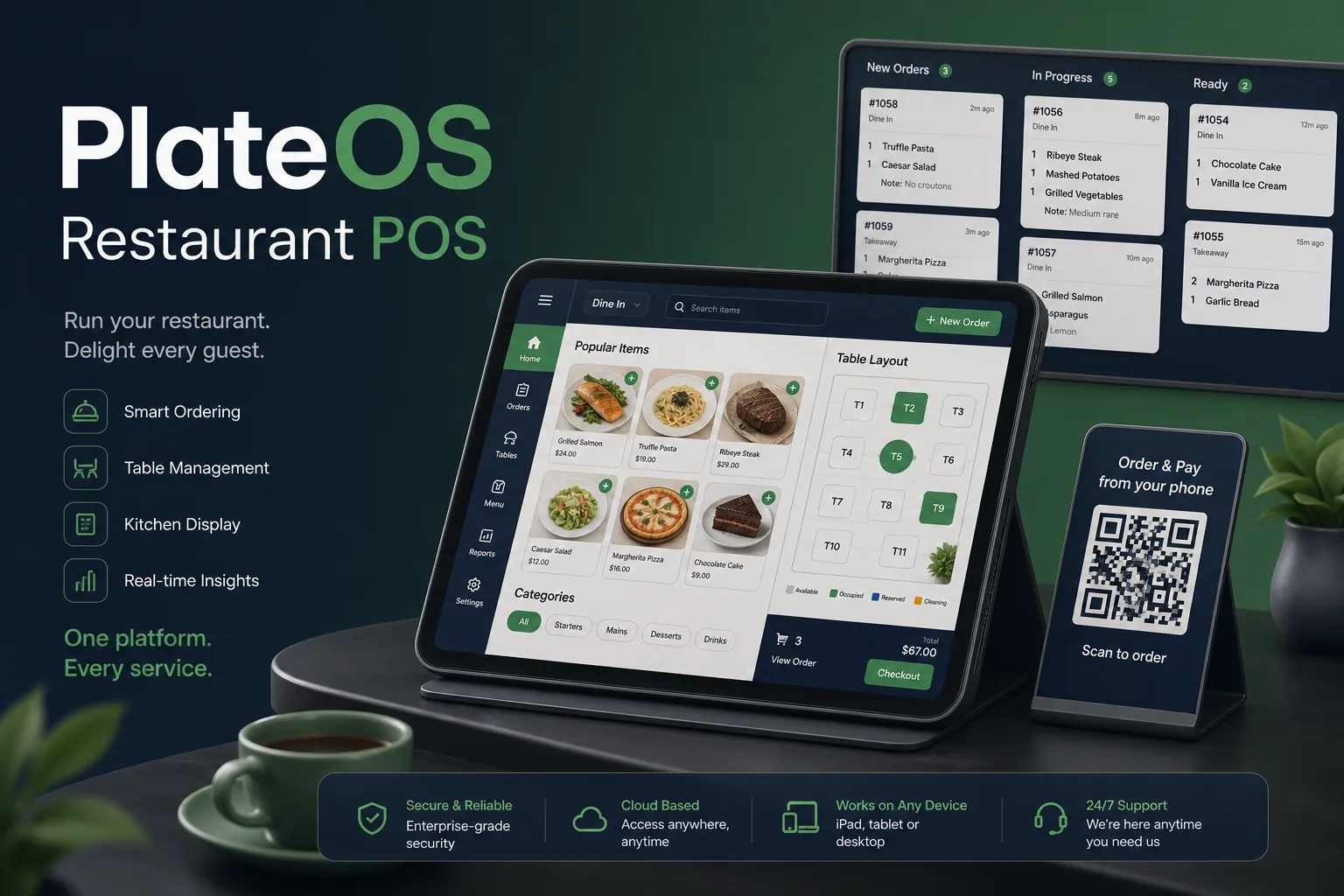
We created a high-availability cloud-based Point of Sale application designed to run on a scalable multi-tier infrastructure. This system allows retail networks to synchronize inventory, process transactions, manage suppliers, and view financial reports in real time from any location while maintaining strong data integrity across distributed store endpoints.

Project Overview and Scope of the Distributed Retail Deployment

Our development team built a comprehensive cloud-based Point of Sale system deployed across more than 500 retail stores in South Africa. The project scope included converting disconnected operational data into a unified cloud framework with advanced inventory management, automated debtor tracking, secure user controls, and high-performance reporting dashboards.

Initial System Environment and Legacy Challenges

The legacy environment consisted of isolated data storage units at each store location, which caused major data mismatch issues and delayed reporting. Store managers could not track real-time stock levels, check central supplier records, or verify customer credit limits across different branches without slow manual checkups.

  • Fragmented Data Storage: Every store operated on an independent database instance, preventing centralized oversight.
  • High Sync Latency: Data updates back to the primary office occurred once a day, leading to inaccurate stock counts.
  • Security Vulnerabilities: Local terminal sign-ins lacked centralized tracking, increasing the risk of unverified access.
  • Limited Hardware Support: Old applications required specific operational setups and could not run on modern web browsers or mobile hardware.

Core Architecture Goals and Development Milestones

We focused on creating a secure, always-on system built on an N-tier application structure using a code-first database layout. The primary development milestones included building over 60 responsive web forms, setting up high-performance data pipelines with PostgreSQL, and rolling out automated infrastructure scaling tools.

  • Centralized Data Repository: Consolidating all retail transactions into a single high-performance PostgreSQL cluster.
  • Agile Project Delivery: Executing weekly sprints and daily standup meetings using Trello and GitHub to track code progression.
  • Responsive Web Delivery: Developing a cross-compatible interface using Bootstrap and ASP.NET Web Forms for unified store access.
  • Granular User Controls: Creating advanced tracking tools to monitor shift logs, user roles, and security sign-out timestamps.

System Architecture and Deployed Functional Features

The application runs on a modular N-tier framework where presentation, application logic, and data storage are separated to ensure high fault tolerance. We developed custom modules for livestock tracking, secure customer billing, supplier coordination, and user tracking, all working through unified web services.

Multi-Tier Presentation Layer and Custom Web Forms

We developed the user interaction layer using ASP.NET Web Forms paired with high-performance DevExpress components, Bootstrap, and asynchronous Ajax operations. This setup gives retail staff access to over 60 customized data entry fields and dynamic views that load quickly even on limited network bandwidths.

+-------------------------------------------------------------+
|                     PRESENTATION LAYER                      |
|   ASP.NET Web Forms | DevExpress Controls | Bootstrap UI    |
+------------------------------+------------------------------+
                               | Asynchronous Ajax / JSON
                               v
+-------------------------------------------------------------+
|                    BUSINESS LOGIC LAYER                     |
|           VB.NET Components | Core Services Middleware      |
+------------------------------+------------------------------+
                               | Code-First Data Access
                               v
+-------------------------------------------------------------+
|                         DATA LAYER                          |
|             PostgreSQL Database Cluster                     |
+-------------------------------------------------------------+

Our development approach prioritized interface responsiveness and quick data entry workflows at physical cash registers. By combining jQuery with custom JavaScript logic, we minimized page reloads during checkout operations, allowing peripheral devices like barcode scanners to process items without delay.

  • Dynamic Data Grids: DevExpress controls allow store cashiers to filter, sort, and search thousands of product entries instantly.
  • Asynchronous Processing: Ajax scripts update single fields on the screen without reloading the entire page, reducing network usage.
  • Mobile Adaptability: Bootstrap styling ensures that web forms scale down perfectly onto tablets or handheld scanning inventory devices.
  • Session Security Tracking: Embedded web forms check user access levels on every transaction, updating user logs automatically.

Inventory and Supplier Data Management Subsystems

The inventory control subsystem tracks real-time stock counts across multiple store warehouses using automated ledger updates in our central PostgreSQL database. This component automates supplier procurement workflows, monitors min-max stock alerts, and logs incoming stock deliveries to eliminate human error during manual entry.

Our architects created a modular inventory design that records every product unit movement as a distinct accounting transaction. This design connects directly with the supplier management module, letting users create purchase orders automatically when stock hits minimum safety numbers.

  • Multi Warehouse Tracking: Monitor inventory levels across 500 individual retail stores from a centralized administrative control center.
  • Automated Purchase Orders: System detects low stock numbers and prepares purchase orders for assigned supplier profiles.
  • Supplier Performance Matrices: Logs lead times, fulfillment rates, and pricing variances across all active product distribution partners.
  • Batch Stock Adjustments: Provides web forms for stocktaking routines, recording variance explanations directly into database logs.

Debtor Account Tracking and Financial Reporting Logic

Our development team created a secure debtor accounting module that calculates outstanding customer credit balances, payment terms, and aging invoices automatically. This feature integrates directly with our high-speed reporting layer to produce real-time cash flow statements, historical sales metrics, and accurate stock valuation sheets.

The financial reporting setup extracts data directly from the PostgreSQL backend through optimized database views, preventing long reports from slowing down front-end checkout processes. This gives management immediate visibility into critical business information.

  • Real-Time Credit Checks: Cash register terminals evaluate customer credit lines instantly before finalizing any transaction on credit.
  • Aging Invoice Automation: The system categorizes customer debts into monthly tracking brackets and prepares automated payment reminders.
  • Cash Flow Statements: Generates detailed breakdowns of daily cash, card, and credit sales across selected store locations.
  • Historical Sales Diagnostics: Built-in reporting tools analyze seasonal purchasing habits, active inventory turnover, and store performance.

Comprehensive Technology Stack Layout

We structured the cloud environment using verified modern frameworks, infrastructure automation tools, and security monitoring platforms to guarantee stable day-to-day operations. This fully integrated technology pipeline combines reliable Microsoft web frameworks, high-speed open-source database clusters, and cloud-native application management services.

Operational LayerTechnologies and Frameworks UsedDeployed Configuration/Role
Cloud Hosting InfrastructureAWS / AzureMulti-region cloud environment utilizing virtual machine scale sets and network delivery paths.
Container ManagementDocker / KubernetesMicro-segmentation of web service endpoints within isolated runtime units managed by orchestration clusters.
Infrastructure ConfigurationTerraformInfrastructure as Code scripts used to deploy networking, server clusters, and firewall rules uniformly.
User Identity ManagementOktaCentralized user verification, role mapping, and single sign-on control across all retail terminals.
Endpoint Security MonitoringCrowdStrikeContinuous threat detection, active memory scanning, and automated threat containment on all runtime servers.
Application LayerASP.NET Web Forms / VB.NETCore application engine managing transaction flows, business policies, and web form interactions.
User Interface ComponentsDevExpress / Bootstrap / AjaxFront-end rendering engine delivering fast, responsive layouts and advanced data tables to web browsers.
Database Management SystemPostgreSQLRelational backend hosting transaction data, customer profiles, and deep historical logs.
Scripting and FormattingJavaScript / jQuery / JSON / CSSClient-side scripting for input validation, fast UI updates, and lightweight data messaging.
Development LifecycleGitHub / Trello / SlackVersion control management, agile sprint planning, and team messaging channels for daily updates.

Compliance, Security, & Operational Standards Implementation

We built security controls right into the center of the application code and cloud hosting layers to safeguard sensitive customer data and transactional records. The platform uses advanced data tokenization, strict access policies, and automated security monitoring to meet global protection guidelines and regional privacy standards.

Data Protection Protocols and Multi-Tenant Access Control

Our development team set up full encryption for all files, both when stored on disk and during network transmission between retail stores and the cloud. We implemented centralized identity verification to manage detailed user permissions, tracking every sign-in and sign-out event automatically across all stores.

+-------------------------------------------------------------+
|                 RETAIL STORE ENDPOINT (CLIENT)              |
|        TLS 1.3 Encryption | Tokenized Browser Session       |
+------------------------------+------------------------------+
                               | Secure HTTPS Channel
                               v
+-------------------------------------------------------------+
|                   CLOUD FIREWALL & IDENTITY                 |
|             Okta Authentication | AWS/Azure WAF             |
+------------------------------+------------------------------+
                               | Authorized Request Only
                               v
+-------------------------------------------------------------+
|                    APPLICATION BACKEND                      |
|     AES-256 Encryption | Continuous CrowdStrike Monitoring |
+-------------------------------------------------------------+

To block unauthorized network scanning and database injection attempts, we set up strict input checking rules on all 60 web forms. This security structure isolates different business units within the database while allowing central administrators to view complete network records safely.

  • Transport Encryption Layer: All network traffic travels over secure connections using modern TLS 1.3 cryptographic protection.
  • Storage Cryptography Baselines: Database fields holding payment histories or passwords use high-grade AES-256 encryption.
  • Granular Permission Tables: Access models restrict employee capabilities based on specific roles, matching checkout or accounting duties.
  • Sign In Audit Registries: Every login, logout, and timed session expiration logs the terminal IP address and user identification token.

Regulatory Compliance Integration for International Retail

The platform architecture satisfies strict international and local framework requirements, including SOC 2 trust principles, HIPAA data privacy controls, and GDPR standards. We hardcoded automated audit logs and storage tracking protocols directly into the database layers to maintain continuous compliance without reducing app speed.

  • SOC 2 Audit Trail Alignment: The system documents administrative adjustments, system updates, and user modifications automatically.
  • GDPR Personal Data Safeguards: Customer database entries separate personal information from sales figures, using data masking techniques.
  • Automated Record Retention: Data archiving jobs clean up older system logs while storing critical financial history in immutable cloud storage.
  • Security Vulnerability Isolation: Automated scans check code repositories continuously for outdated dependencies or configuration errors.

Technical Capabilities and Ongoing Operational Framework

We developed an automated operational infrastructure that features automated failover patterns, live performance checking, and scalable cloud compute clusters. This framework keeps retail transactions running smoothly during unexpected server issues, traffic spikes, or routine maintenance operations across the network.

High Availability Failover and Automated Infrastructure Scaling

The infrastructure setup uses multi-region load balancers and automated container orchestration to distribute network traffic evenly across active application nodes. If a cloud server experiences an issue, backup instances take over the processing workload immediately to avoid any disruption to in-store checkouts.

  • Automated Scale Groups: The web tier scales up computing capacity automatically when processor use crosses set limits during busy shopping times.
  • Database Replication Paths: PostgreSQL runs in a high-availability setup with live read-replicas handling reporting traffic.
  • Health Evaluation Sweeps: Traffic balancers run automatic checks every few seconds, routing users away from non-responsive server containers.
  • Network Redundancy Links: Application entry routes use fast content delivery pathways to minimize latency across remote store locations.

Centralized Monitoring, Logging, and Scheduled Maintenance Routines

We implemented continuous system checking that collects application error records, user transaction speeds, and database query logs into a unified dashboard. Automated maintenance jobs run optimization tasks, index cleanups, and secure data backups during off-peak hours to keep system response speeds high.

  • Unified Telemetry Feeds: Cloud dashboards aggregate application error alerts, database response graphs, and server health states.
  • Proactive Alert Thresholds: Notification systems warn system administrators via automated alerts if transaction speeds drop below baseline levels.
  • Database Optimization Schedulers: Automated jobs rebuild database indexes and update storage statistics nightly to keep query speeds consistent.
  • Disaster Recovery Backups: Automated policies generate fully encrypted copies of the complete database cluster every hour, storing them safely across different cloud locations.

Leveraging Next Olive Technical Expertise for Complex Infrastructures

Next Olive Technologies develops enterprise cloud solutions that resolve technical complexity, remove system inefficiencies, and provide scalable platforms for growing companies. Our experienced development team builds robust software foundations that keep your business operations fast, secure, and compliant with modern industry standards.

We specialize in updating legacy environments, designing secure multi-tier architectures, and building automated cloud frameworks that match your operational targets. By removing technical complexity and deploying structured code, we ensure your business applications deliver maximum performance and scale smoothly over time.

Are you ready to optimize your business application infrastructure, secure your transactions, and build highly resilient systems? Contact Next Olive Technologies today to book an infrastructure architecture review with our principal software development experts.

Technical Deep-Dive FAQs

How did we handle data synchronization between store endpoints and the database?

We developed an asynchronous data transport layer using JSON messaging payloads delivered over secure web services. This design allows frontend checkouts to process sales instantly while background threads handle data synchronization to the primary PostgreSQL cluster, keeping store registers fast even during peak business hours.

What configuration pattern was used for the N-tier architecture code-first approach?

Our architects used an object-relational mapping design using a code-first strategy where developers write database structures directly in VB.NET classes. This pattern automates table generation, updates schemas cleanly through managed migration steps, and keeps business logic separate from the underlying database layout.

How does the application prevent concurrent write conflicts during inventory updates?

The application uses an optimistic concurrency control model managed directly within the business logic layer of our software. When an inventory change occurs, the system checks the initial row version identifier against the active row status in PostgreSQL, blocking outdated updates and protecting data accuracy across all store locations.

What security measures protect user sign-in and sign-out operations across web forms?

User session validation runs directly through Okta identity services, which issue secure tokens for authenticated web sessions. Every sign-in and sign-out event records a detailed digital footprint containing the terminal IP, timestamp, and user permissions, stopping unauthorized cookie reuse or hijack attempts.

How are the DevExpress controls optimized to prevent lag over slower web connections?

We configured the DevExpress data grids to use server-side paging, filtering, and sorting routines, ensuring the application only sends necessary data rows over the network. This approach reduces browser memory usage and slashes data transfer requirements, allowing large inventory lists to load smoothly on slow mobile networks.

What strategy did we use to manage debtor balances and payment logs safely?

We developed a double-entry transaction ledger subsystem within our database that processes credit sales and debt payments as atomic operations. Every transaction updates matching client records within a single database routine, ensuring total financial consistency and preventing any unlogged ledger adjustments.

How is the PostgreSQL database configured to handle daily reporting tasks without slowing down sales transactions?

The data infrastructure uses a primary-replica cluster setup where write operations go directly to a primary database node. All heavy financial reporting tasks, data filtering, and supplier analysis routines run against read-only database replicas, keeping checkout operations fast on the main servers.

What container deployment strategy did we execute using Docker and Kubernetes?

We packaged the ASP.NET Web Forms runtime environments into lightweight, isolated Docker container profiles. Kubernetes handles these containers within automated server groups, balancing web traffic, restarting failed software instances, and scaling resources up or down based on real-time consumer demand.

How are Terraform scripts organized to provide automated cloud infrastructure updates?

Our development team created modular Terraform scripts that define virtual networks, security groups, firewall parameters, and machine layouts as code files. This structure allows us to spin up identical development, staging, and production environments safely, preventing manual setup errors and ensuring consistent security policies.

What exact mechanism handles automated backups and disaster recovery?

The system uses automated snapshot policies that create encrypted point-in-time backups of our PostgreSQL volumes every hour. These backup packages travel automatically to isolated cloud storage locations across different regions, allowing our teams to restore full system operations quickly if a major datacenter outage occurs.


Richard

Active in the last 15m