
Cloud-Based Retail POS Platform
Cloud POS unifying 500+ South African Retail stores: live inventory, supplier orders, debtor credit and reporting in one system.
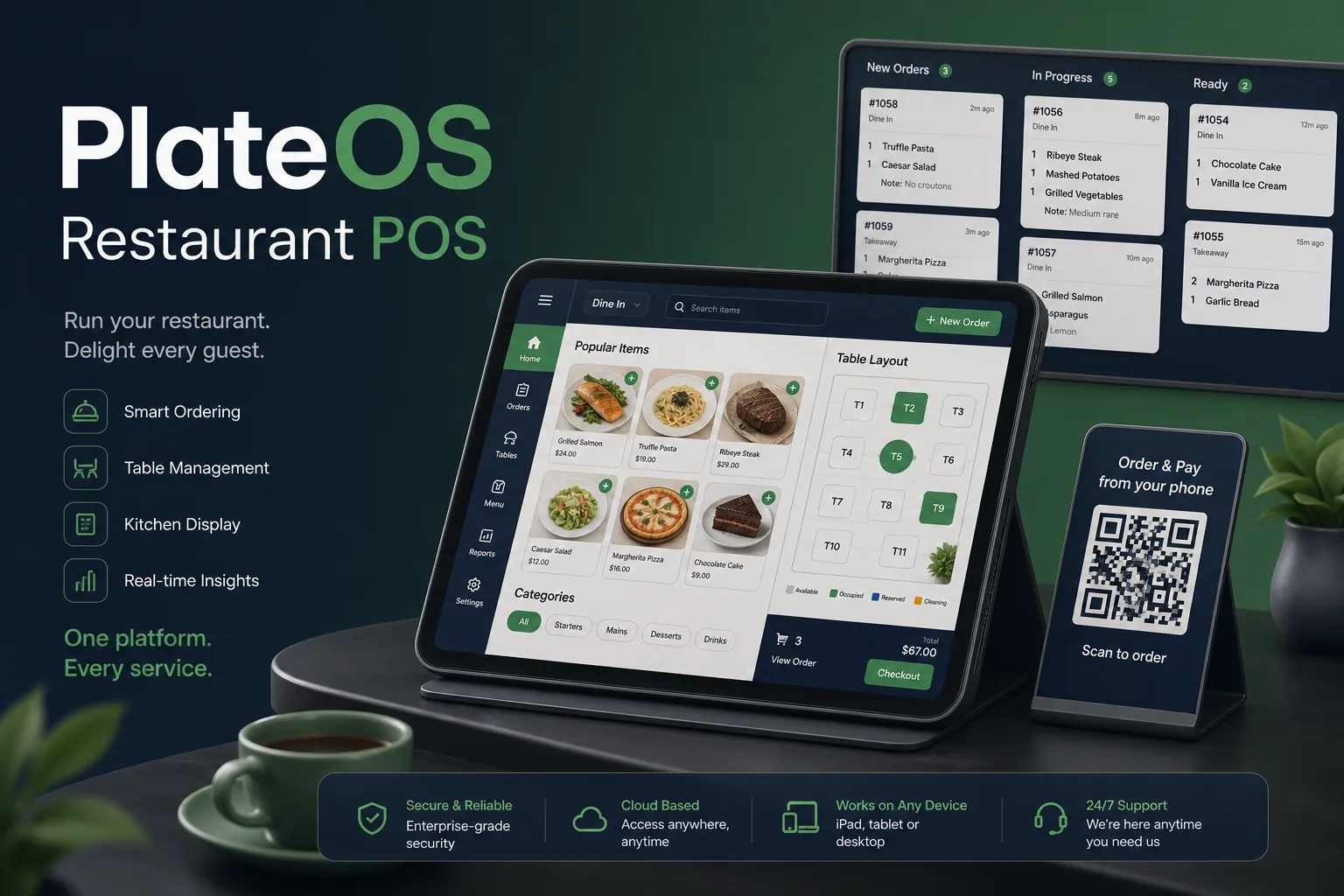
Cloud-Based Retail POS Platform overview
We built a high-availability, cloud-based Point of Sale application for a Retail network of more than 500 stores across South Africa. The system lets the network synchronise inventory, process transactions, manage suppliers, track debtor accounts and view financial reports in real time from any location, while keeping data consistent across hundreds of distributed store endpoints. It replaced a patchwork of isolated per-store databases with a single cloud framework built on an N-tier architecture and a code-first PostgreSQL data layer.
The engagement covered the full delivery: more than 60 responsive web forms for store and head-office staff, high-performance data pipelines into a central PostgreSQL cluster, custom modules for inventory, supplier coordination, debtor accounting and user tracking, and automated infrastructure scaling on AWS and Azure. We ran the project in weekly sprints with daily stand-ups, tracking code progression in GitHub and sprint work in Trello, with Slack for day-to-day communication.
Challenge in distributed Retail operations
Every store in the legacy environment ran its own independent database instance. Updates flowed back to the primary office once a day, so central stock counts were always stale and reports arrived late. Store managers could not check real-time stock levels, look up central supplier records or verify a customer's credit limit at another branch without slow manual checks, and data mismatches between locations were routine.
Security and hardware compounded the problem. Local terminal sign-ins were not tracked centrally, so unverified access was hard to detect or audit. The old applications required specific operating setups and could not run in modern web browsers or on mobile hardware, which locked the network into ageing tills and made rolling out changes to 500 sites impractical. The client needed one always-on system that any store could reach from a browser, tablet or handheld scanner, with central oversight and per-role controls.
Solution architecture & delivery
The application follows a modular N-tier structure with presentation, business logic and data storage separated for fault tolerance. The presentation layer is ASP.NET Web Forms with DevExpress controls, Bootstrap and asynchronous Ajax and JSON calls; the business logic layer is VB.NET components and core services middleware; the data layer is a PostgreSQL cluster accessed through a code-first object-relational mapping, where developers define tables in VB.NET classes and schema changes roll out through managed migrations. jQuery and custom JavaScript minimise page reloads at the register so barcode scanners process items without delay, and DevExpress grids use server-side paging, filtering and sorting so large product lists load on slow store connections.
The inventory subsystem records every product unit movement as a distinct accounting transaction in the central database, giving head office live stock across all 500 stores and their warehouses. When stock hits a minimum safety level, the system prepares a purchase order for the assigned supplier profile; supplier performance matrices log lead times, fulfilment rates and pricing variances, and stocktaking forms capture batch adjustments with variance explanations. The debtor module runs a double-entry ledger where credit sales and payments are atomic operations: tills check a customer's credit line before finalising a credit sale, invoices are aged into monthly brackets with automated reminders, and cash-flow statements break down daily cash, card and credit sales per store. Inventory writes use optimistic concurrency, comparing row version identifiers in PostgreSQL to block stale updates from another branch.
Store endpoints talk to the cloud through an asynchronous JSON transport over secure web services: checkouts complete instantly while background threads synchronise data to the primary PostgreSQL node, and all heavy reporting, filtering and supplier analysis runs against read replicas through optimised database views. The ASP.NET runtime is packaged in Docker containers orchestrated by Kubernetes across AWS and Azure, with Terraform modules defining virtual networks, security groups, firewall rules and machine layouts for identical development, staging and production environments. Multi-region load balancers health-check containers every few seconds, the web tier scales out automatically when processor use crosses set limits, nightly jobs rebuild indexes and update statistics, and encrypted point-in-time backups of the database volumes are taken every hour and copied to a different cloud region.
Security runs through every tier. Okta issues session tokens and maps roles to checkout or accounting duties; every sign-in, sign-out and timed session expiry records the terminal IP address and user token. All traffic uses TLS 1.3, payment histories and passwords are stored with AES-256 encryption, strict input validation on all 60 forms blocks injection attempts, and CrowdStrike monitors every runtime server. Audit logging of administrative changes, data masking that separates personal information from sales figures, and immutable retention of financial history support the SOC 2, GDPR and HIPAA requirements the platform was built against.
Key features of the Cloud-Based Retail POS Platform
- Multi-warehouse inventory ledger across 500 stores with min-max stock alerts and stocktaking forms that record variance explanations
- Automated purchase orders at minimum stock, plus supplier performance matrices for lead times, fulfilment rates and pricing variances
- Debtor accounting with real-time credit checks at the till, monthly aging brackets and automated payment reminders
- Financial reporting from read replicas: cash-flow statements, historical sales diagnostics, inventory turnover and stock valuation
- More than 60 responsive ASP.NET web forms with DevExpress grids and Bootstrap layouts for browsers, tablets and handheld scanners
- Okta single sign-on with role-based permissions, shift logs and sign-in and sign-out audit registries
- Asynchronous JSON synchronisation with optimistic concurrency control on inventory updates
- Docker and Kubernetes deployment on AWS and Azure with Terraform-managed environments and hourly encrypted cross-region backups
Who this web application is for
This platform suits multi-store Retail chains, franchise networks and wholesale-retail groups that still run per-store databases and nightly syncs, particularly where stores operate on limited bandwidth, sell on customer credit, and need head office to see stock, debtors and cash position across every branch at once. It also fits organisations replacing hardware-bound POS terminals with browser-based tills that run on tablets and handheld scanning devices.
Impact & results
- Consolidated more than 500 isolated store databases into one PostgreSQL cluster, replacing once-a-day sync with real-time updates
- Store managers check live stock, central supplier records and customer credit limits across branches without manual checkups
- Purchase orders are prepared automatically at minimum stock, and credit sales are validated at the till before completion
- Reporting runs on read replicas, so management dashboards no longer slow down checkout
- Every login, logout and session expiry is logged centrally with terminal IP, closing the unverified-access gap
- Runs in modern browsers and on tablets and handheld scanners, removing the legacy hardware dependency
FAQ about the Cloud-Based Retail POS Platform
What problem does the Cloud-Based Retail POS Platform solve?
It replaces independent per-store databases and once-a-day syncs across a 500-store South African Retail network with one cloud POS, so inventory, supplier orders, debtor balances and financial reports are current in every branch and at head office in real time.
Which technologies power the Cloud-Based Retail POS Platform?
ASP.NET Web Forms and VB.NET on a code-first PostgreSQL cluster, with DevExpress, Bootstrap, jQuery, Ajax and JSON on the front end; Docker and Kubernetes on AWS and Azure provisioned by Terraform; Okta for identity; CrowdStrike for endpoint security; and GitHub, Trello and Slack for delivery.
How does the platform keep 500 stores in sync without slowing checkouts?
Tills send sales as asynchronous JSON messages over secure web services, so the register completes instantly while background threads write to the primary PostgreSQL node. Reporting runs on read replicas, and inventory updates use optimistic concurrency with row version checks to block stale writes from other branches.
How are sign-ins and customer data protected?
Okta issues tokens for every web session, and each sign-in, sign-out and timed expiry logs the terminal IP, timestamp and permissions. Traffic uses TLS 1.3, payment histories and passwords are AES-256 encrypted, CrowdStrike monitors every server, and encrypted database backups are taken hourly and stored in a separate cloud region.
Cloud-Based Retail POS Platform product screens
Build your next Retail product with Next Olive
Share your requirements — we will propose scope, timeline and stack within one business day.